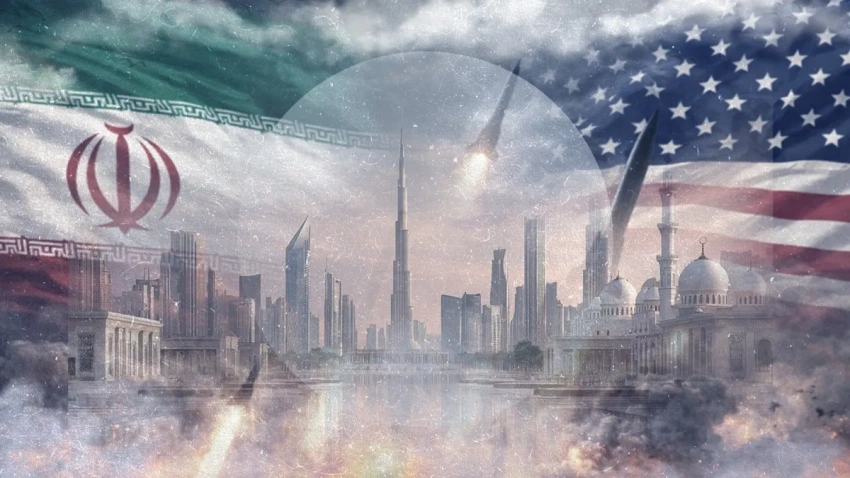
Escalation of Shadow War in the Gulf.. Targeting the UAE Brings Washington-Tehran Conflict to the Forefront
A strategic affairs expert affirmed today, Wednesday (May 6, 2026), that the recent escalation related to targeting the United Arab Emirates reflects a clear return to the pattern of "indirect war" between Iran and the United States, likely expecting this path to continue without sliding into a comprehensive military confrontation in the near term. Expert Jasim Al-Gharabi said that both parties prefer to manage the conflict through non-traditional tools, such as economic pressures, cyber operations, and the use of regional parties, to avoid the cost of direct war. He explained that the chances of success of international efforts to contain tension remain limited but exist, pointing out that mediation channels, whether European or regional, may contribute to temporarily reducing escalation, but they do not address the roots of the dispute related to the Iranian nuclear file and Tehran's influence in the region. He warned that any targeting of vital infrastructure or navigation routes in the Arabian Gulf represents a direct threat to regional stability, given the region's importance as a main corridor for global energy supplies. He added that oil markets are quickly affected by these developments, as the rise in geopolitical risks leads to increased oil prices and shipping insurance costs, which is reflected on the global economy. Al-Gharabi pointed out that the coming phase will be characterized by sharp fluctuations, with the scenario of "fragile containment" remaining the most likely, compared to existing risks of an uncalculated slide toward broader escalation. The region witnesses repeated tensions between the United States and Iran, often taking the form of indirect confrontations across multiple regional arenas. The Arabian Gulf is considered one of the most sensitive areas to these tensions, given its vital role in global energy markets, making any escalation in it a subject of wide international interest and follow-up.